
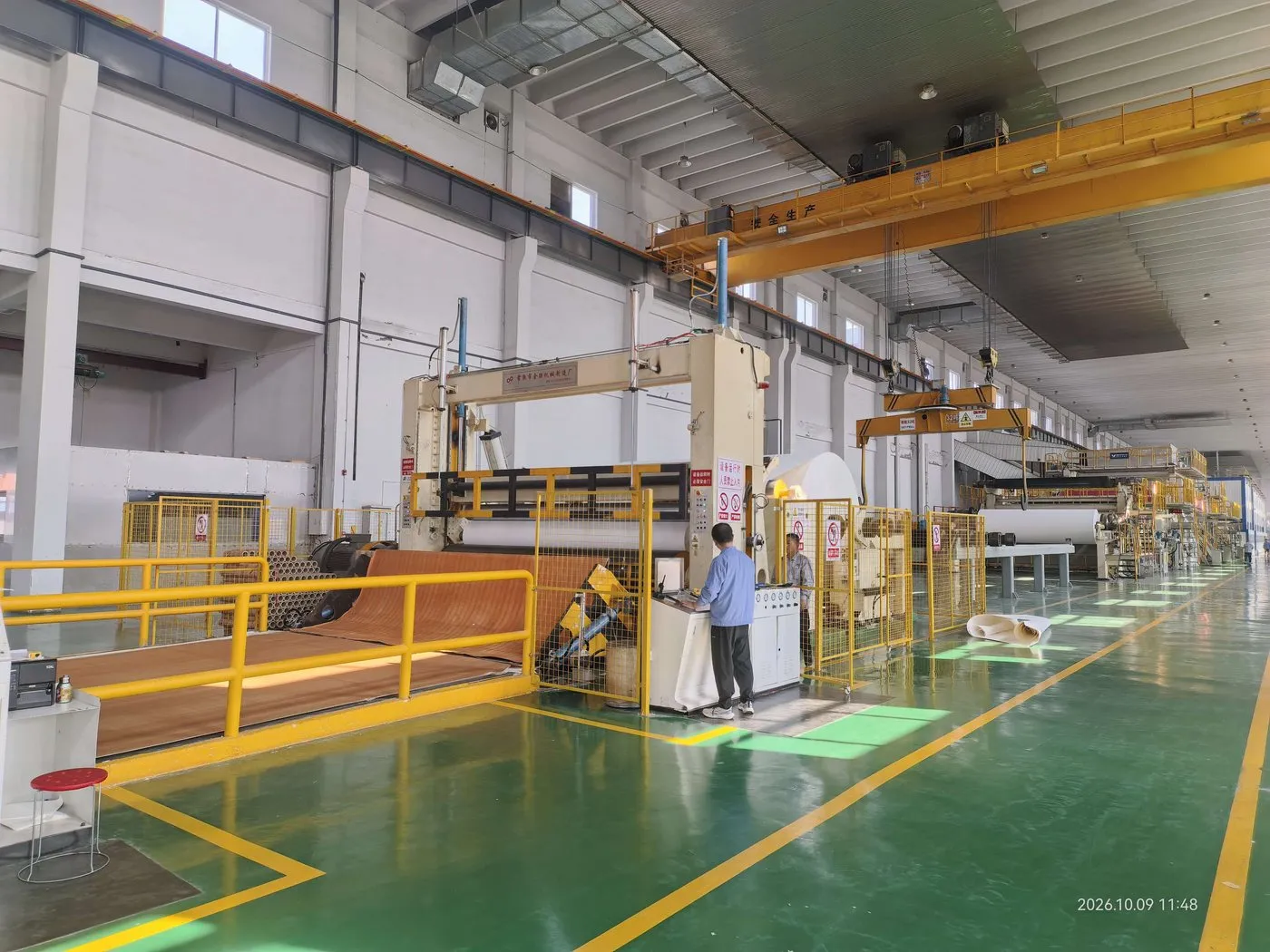
Switching fluff pulp suppliers is never a matter of “trying another brand”. The absorbent core is the most expensive and most sensitive layer in a diaper, sanitary napkin or adult care product. Change the fiber and the fluffing behavior, dust level, core integrity and rewet numbers all move with it. Treat the switch as a project with a baseline, a target and an acceptance protocol, and six steps will usually get you through.
Why the switch has to be run as a project
Most first switching attempts fail not because the pulp is poor, but because there is no comparable data. The imported grade has been running for years and every process parameter has been tuned around it. If the judgement after switching is “feels about the same”, problems tend to surface only at finished-goods inspection or, worse, in a customer complaint.
The bigger issue is the number of variables. On the same forming line, hammermill clearance, rotor speed, SAP ratio and forming vacuum all affect the outcome. Unless these are held constant, you cannot tell whether a difference comes from the fiber or from the machine.
Step 1: Build a comparable baseline
Before talking to any new supplier, record how the current pulp actually performs. That baseline becomes the reference for every later comparison and the benchmark a new supplier has to hit. Cover at least six areas:
- Fiber data: grade, brightness, freeness (CSF), bulk, moisture, mean fiber length, plus the original TDS values
- Fluffing data: hammermill settings (clearance, speed), specific energy, loft after defibration
- Core data: basis weight, SAP ratio, thickness, core integrity
- Absorbency: acquisition time, rewet, retention, wicking length
- Line behavior: dust level, static, frequency of breaks and blockages
- Finished goods: weight deviation and visual cleanliness
Step 2: Turn the goal into acceptance criteria
With the baseline in hand, define what “successful” means. The practical approach is a one-page acceptance table listing each property, the current baseline, the target, the allowed deviation and the test method. Once the criteria are quantified, the supplier’s sample and your trial share a common yardstick and the discussion stops being about impressions.
One caveat: fluff pulp TDS values are typical values, not guarantees. Writing a clear acceptance window into the agreement matters more than fixating on a single number. Being consistently inside the window is what stability actually means.
| Property | Baseline (current import) | Switch target | Test method |
|---|---|---|---|
| Brightness %ISO | Measured value | Not below baseline -2 | ISO brightness |
| Freeness CSF mL | Measured value | Baseline ±50 | Standard CSF test |
| Bulk cm³/g | Measured value | Not below baseline -1 | Loft test |
| Absorbency g/g | Measured value | Not below baseline -0.5 | Absorbency test |
| Moisture % | Measured value | ≤10 | Oven drying |
| Mean fiber length mm | Measured value | Baseline ±0.2 | Fiber length analysis |
Step 3: Request TDS and samples, test in the lab first
When samples arrive, resist the urge to put them straight on the line. Measure old and new pulp under identical laboratory conditions for brightness, moisture, freeness, bulk, absorbency and fiber length distribution, then fill the numbers into the baseline table from step one. This screens out clearly mismatched grades and protects scarce machine time.
If the data is close, ask for the full TDS and the batch-to-batch variation range. A single set of typical values tells you little; a supplier who can explain how far the numbers drift and what controls that drift is the one worth a trial.
Step 4: Run the machine trial and watch three instability points
The machine trial is the real exam. With the same pulp, differences in fluffing settings can matter more than differences between grades. Hold the forming parameters fixed so fiber is the only variable, and watch three areas closely:
- Fluffing energy and loft: how much hammermill energy is needed for the target loft, and whether the fiber is being over-shredded
- Dust and static: on high-speed lines, dust directly drives cleaning downtime and product cleanliness
- Core integrity and rewet: whether the core delaminates or crushes, and whether rewet stays inside the window
Do not run the trial once. Run at least two batches and watch the variation between them — that says far more about stability than a single good result.
Step 5: Ramp up with a small production run
Once the trial passes, move to a small production run. What matters here is stability under continuous operation: run several shifts and record dust accumulation, cleaning intervals and finished-goods pass rates. Many problems only appear in continuous running — static build-up causing material hang-up, fiber debris collecting on the forming wire.
Keep a safety stock of the original imported grade during this stage, until the new pulp has run consistently for the agreed period. Safety stock is not a lack of trust; it is buffer time for the line.
Step 6: Freeze the result into your acceptance standard
After the switch, write the confirmed property windows, inspection frequency and incoming-lot sampling rules into your purchasing and QC documents. It looks like paperwork, but it decides whether the second and third shipments six months later still behave the same way. A good switch is not a one-time success — it is a repeatable one.
Our field application engineers usually spend a full shift on the line during trials — not watching data, watching the machine. Plenty of deviations pass on paper and are obvious at a glance on the forming wire.
Frequently asked questions
How long does a switch take?
From sample request to completed ramp-up, it depends on line complexity and product certification requirements. Structurally simple products can be validated in a few weeks; products tied to customer approvals or medical applications need the certification cycle counted separately.
Will switching affect existing product certifications?
Possibly. Some downstream customers or end markets require notification when core materials change. Confirm the certification position during the trial stage so you are not reworking after mass production starts.
Can old and new pulp be mixed during the transition?
Yes, but control the ratio and document it. Blending makes data hard to attribute, so if a problem appears you cannot tell where it came from. Switching in batches and accepting in batches is the cleaner route.
In one sentence: the switch is not really about which supplier you choose — it is about having comparable data, acceptance criteria and a repeatable validation process. Walk the six steps and the switch turns from a gamble into an engineering decision.
About Hongbo Pulp
Shandong Hongbo Pulp & Paper Co., Ltd. focuses on fluff pulp across seven fiber families — bleached, natural, bamboo, pure softwood, softwood/hardwood blend, poplar/pine CMP and reed pulp — supplied in unprocessed, semi-processed and fully processed grades. A dedicated research team and field application engineers support more than 200 hygiene manufacturers from fiber selection and on-line trials through to volume supply.
Media & Sales Contact
Mr. Yang · Tel/WeChat +86 134 7575 9568 · yang@hongbopulp.com. For TDS, samples or on-line trial support, submit a request through the contact page — we reply within one business day.