
Application Areas
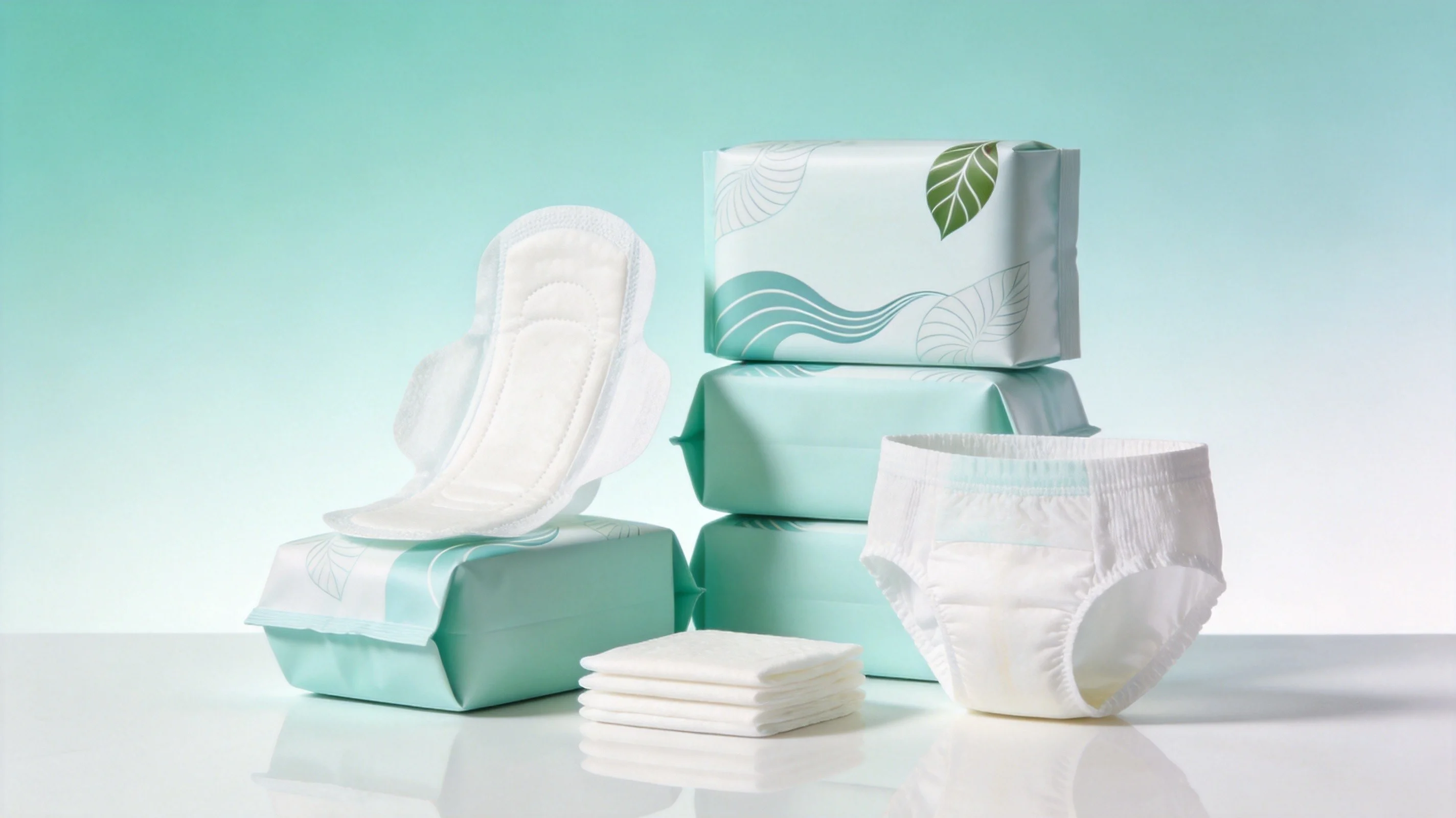
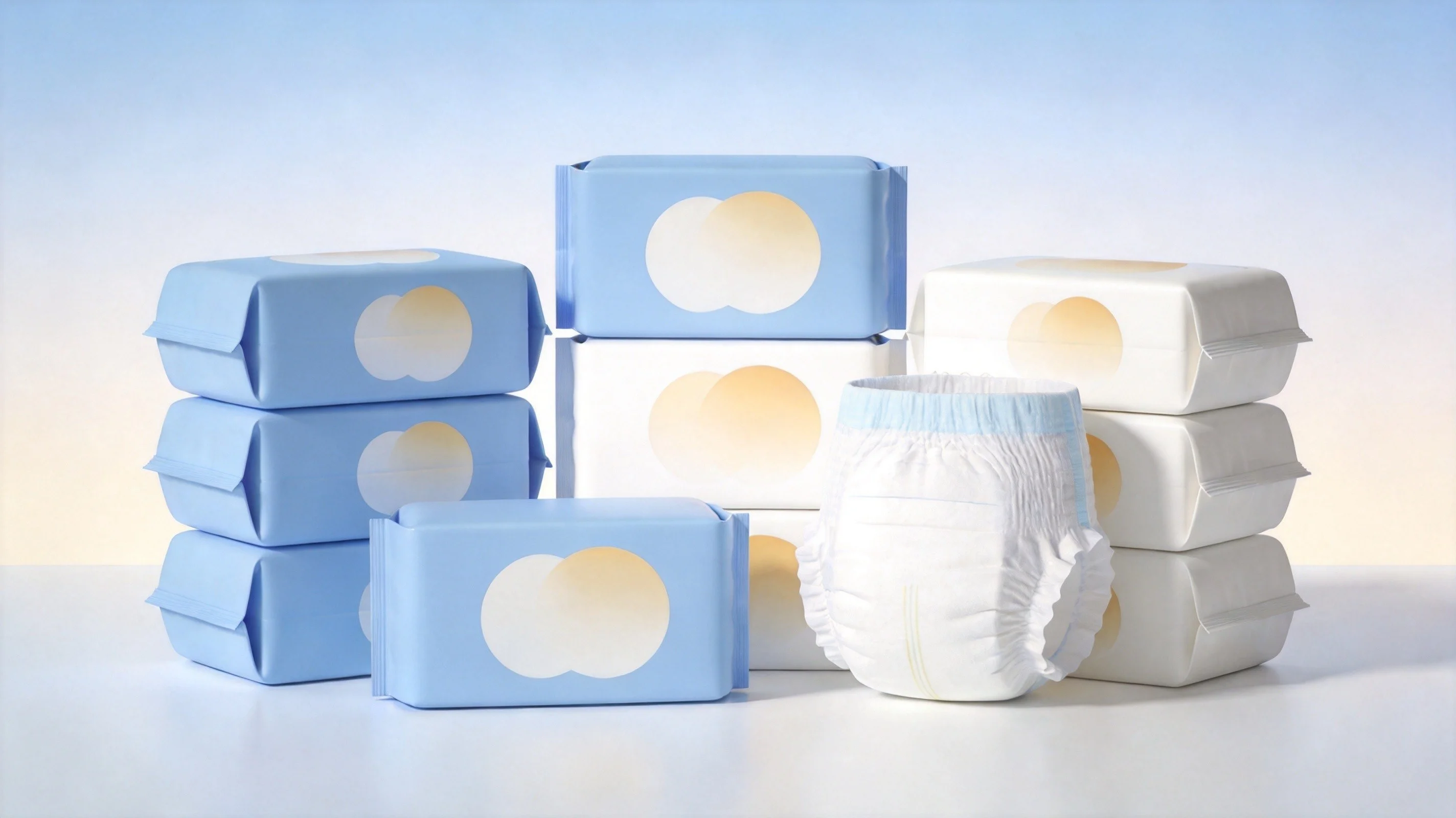
Economy Diapers
Volume tiers with defined absorption floors and tight cost targets
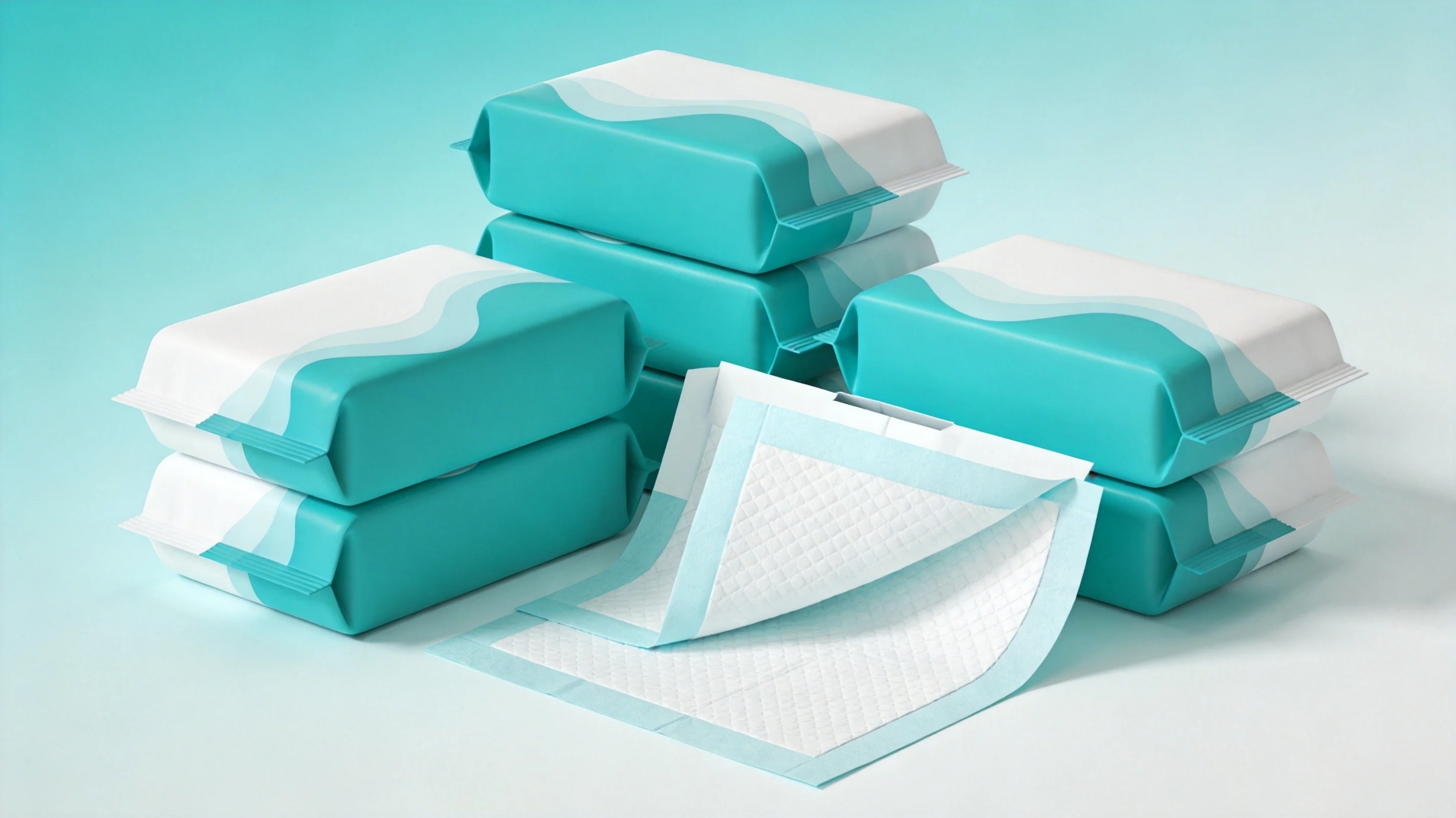
Pet Pads
Cost-driven absorbent products where premium performance is not required
Industrial Absorbents
Spill pads and rolls where capacity per yuan is the metric
Packaging Inserts
Absorbent and cushioning components
Agricultural Fiber
Absorbent and structural applications
Blend Component
Cost reduction in softwood-dominant blends
Product Specifications
| Technical Point | Typical Specification | Buyer Benefit |
|---|---|---|
| Yield | 75–85% | Structural cost advantage versus chemical pulp |
| Brightness | 55–70 ISO | Suitable for unprinted or internal layers |
| Moisture | 7.0–9.0% | Stable on standard hammermills |
| Freeness (CSF) | 450–580 ml | Lower freeness than chemical pulp; adjust hammermill settings |
| Water Absorption | 7.5–9.5 g/g | Adequate for volume products with defined floors |
| Bulk | 13–17 cm³/g | Good opacity and thickness contribution |
| Fiber Length | 1.8–2.6 mm average | Stiffer, shorter fiber; blending improves hand feel |
| Sheet Form | Jumbo reel or bale | Custom widths on request |
Typical ranges only. Batch-specific TDS is supplied with each shipment.
Detailed Product Description
Where CMP earns its place
In products where the absorption target is modest and the cost target is aggressive. A pet pad, an economy diaper tier, or an industrial spill roll does not need premium long-fiber softwood — it needs consistent, predictable capacity at the lowest defensible cost. That is exactly the CMP use case.
Where it does not
Anywhere wet strength matters. CMP’s higher lignin content means the fiber network loses integrity faster when saturated, so products that must survive heavy loading or long wear should keep CMP as a minority component.
Treat CMP as a cost lever, not a base fiber. Used at 20–40% in a blend it takes real cost out; used as the majority fiber it usually shows up as a complaint about core collapse.
Line adjustments
Lower freeness means the fiber defibrates differently. Expect a higher hammermill current and a denser mat, and adjust forming vacuum accordingly. Mills new to CMP often over-refine it in the first trial, which destroys the cost advantage through energy consumption.