Application Areas
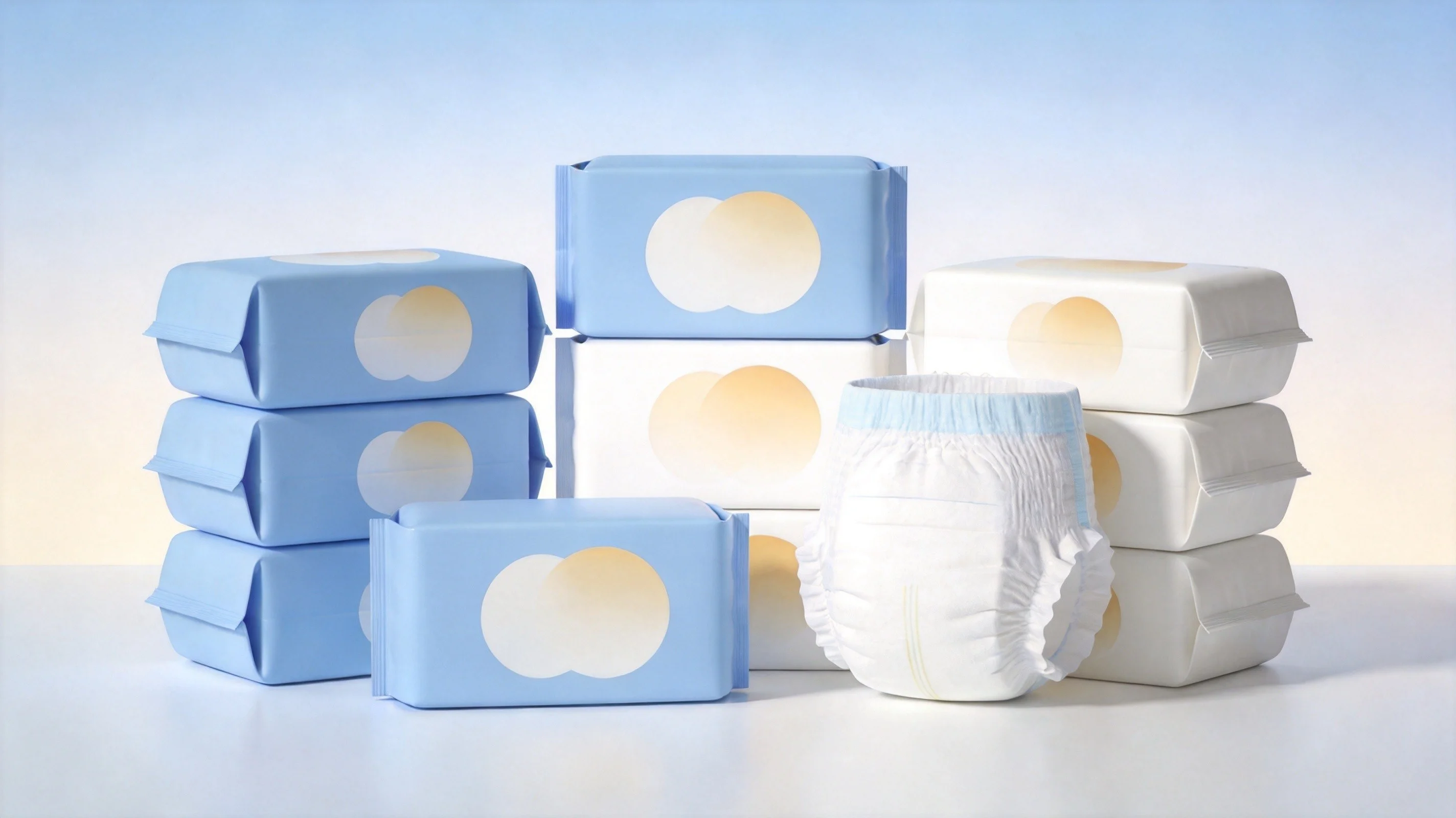
Baby Diapers
Absorbent cores, acquisition and distribution layers for premium and mainstream diaper lines
Feminine Care
Top sheets, cores and liners where whiteness and softness are visible to the consumer
Adult Incontinence
High-capacity cores for daytime and overnight protection products
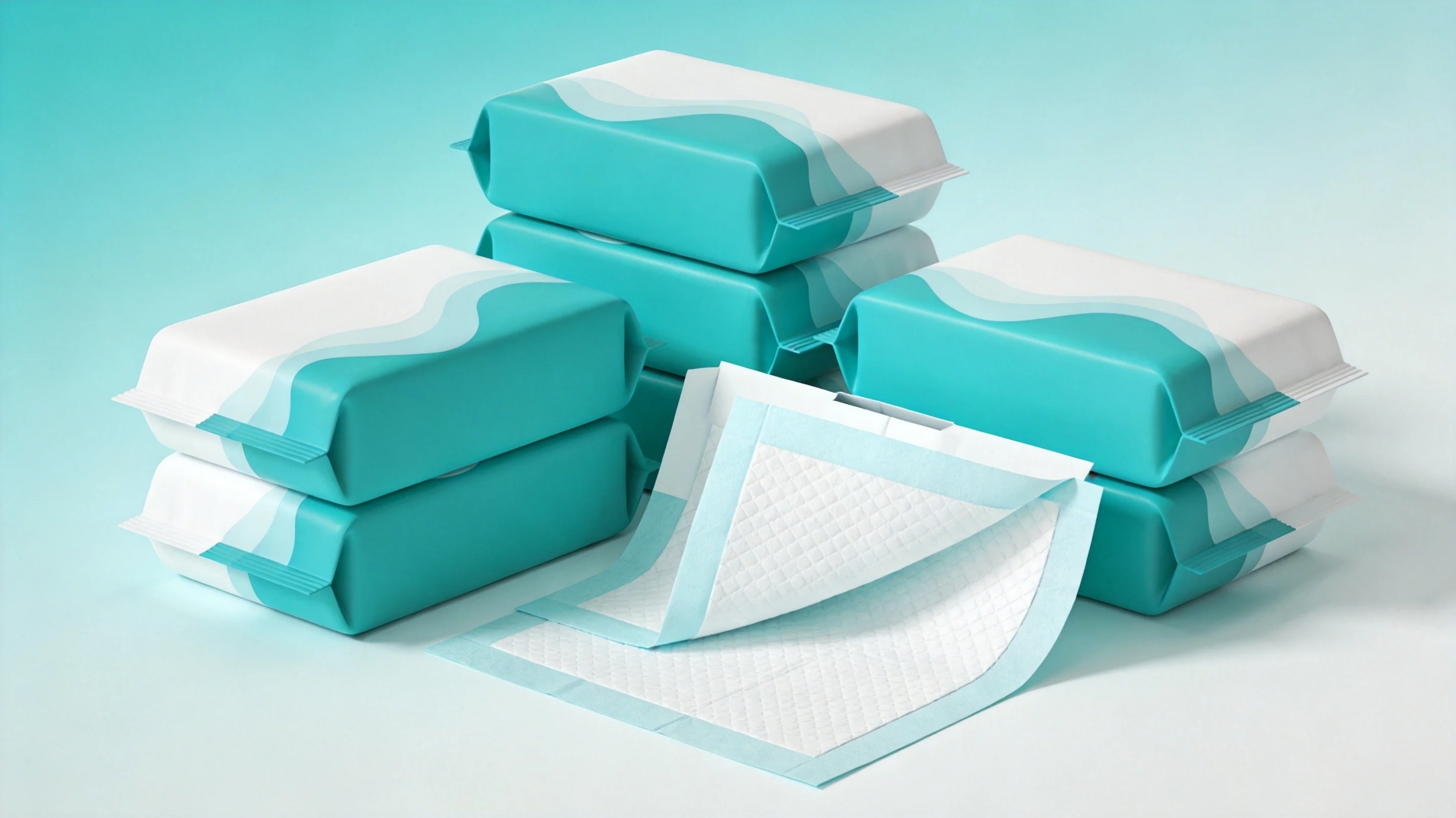
Medical Absorbents
Underpads, dressings and single-use absorbent articles requiring clean, traceable fiber
Airlaid Nonwovens
Defibration-friendly pulp for airlaid lines and composite absorbent structures
Wet Wipes & Hygiene
Substrate and absorbent components where low extractables and low odor matter
Product Specifications
| Technical Point | Typical Specification | Buyer Benefit |
|---|---|---|
| Brightness | 86–90 ISO | Consistent visual quality for consumer-facing white products |
| Moisture | 7.0–9.0% | Stable defibration energy; adjusted to your line humidity |
| Freeness (CSF) | 620–720 ml | Predictable opening behaviour on standard hammermills |
| Water Absorption | 9.0–11.0 g/g | Higher absorbency per tonne of fiber purchased |
| Bulk | 14–18 cm³/g | Resilient cores with less fiber weight per pad |
| Fiber Length | 2.2–2.8 mm average | Balanced strength and softness; controlled fines content |
| Debonding Agent | 0.3–0.8% | Opens cleanly without suppressing absorption speed |
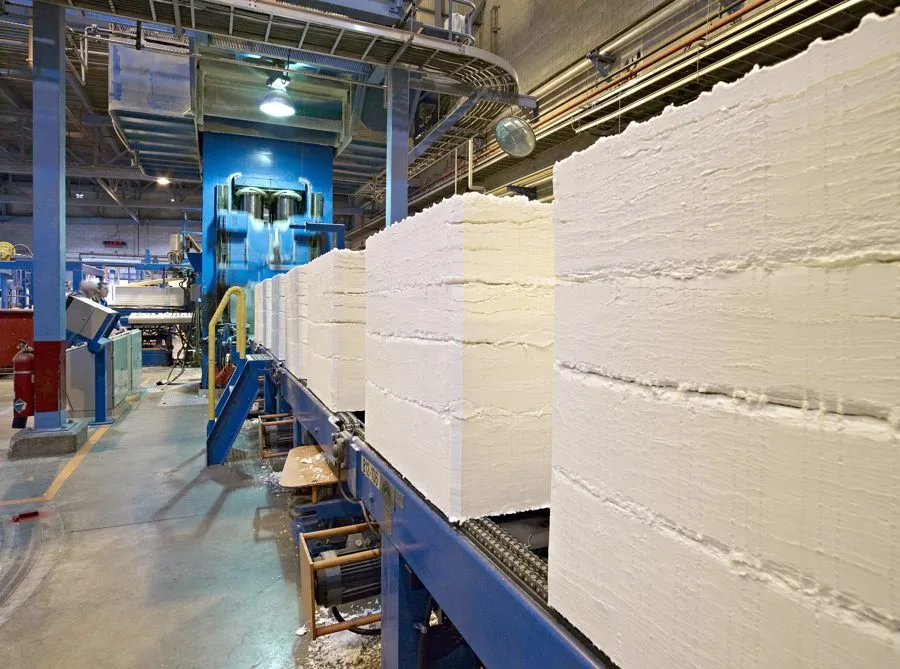
| Sheet Form | Jumbo reel or bale, custom widths | Fits your existing unwinding and feeding setup |
Values above are typical ranges for standard production. Each shipment is supplied with a batch-specific TDS; tolerances are agreed in the purchase specification.
Detailed Product Description
Why brightness alone does not define quality
Two pulps can both read 88 ISO and still behave differently on the line. Brightness tells you about the bleaching result; it says nothing about fiber length distribution, fines content, or how the sheet will open. Buyers who select on brightness alone often end up compensating with hammermill settings, which costs energy and generates dust.
The more useful set of numbers is brightness together with fines content, bulk and freeness. Those four explain most of what happens in the first thirty minutes of a trial run.
How it performs in the forming section
The sheet defibrates into a bulky fluff with a high proportion of intact long fibers. On the forming wire this produces a uniform, slightly resilient mat that holds its shape through compression, which is why cores built on this grade tend to keep their thickness after packaging.
Dust generation is low relative to high-fines pulps. Mills running tight housekeeping schedules or closed forming systems usually notice this within the first shift.
Matching it to your line
If your line was originally set up around an imported bleached grade, the transition is usually a matter of fine-tuning hammermill clearance rather than rebuilding the process. We supply benchmark samples and support the first trial on site so the comparison is made on your machine, not on a data sheet.