
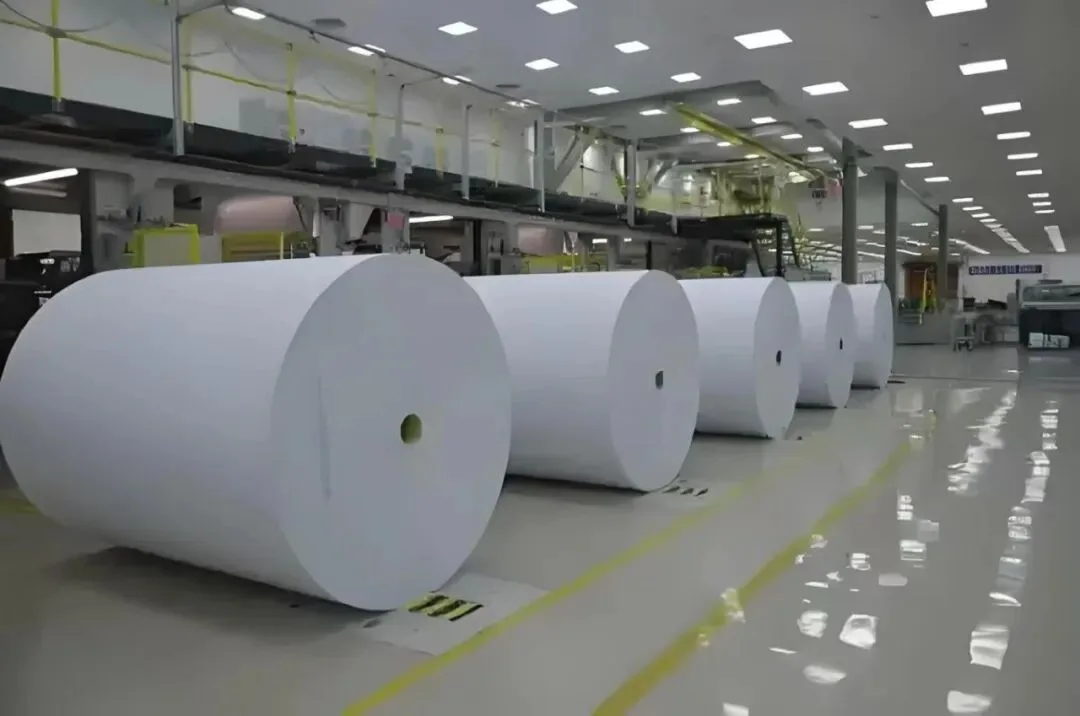
When you buy fluff pulp, you are not buying tonnes. You are buying the assurance that the next batch behaves like this one. Without batch-to-batch consistency, even a flawless TDS is just paper. This is how consistency is defended, checkpoint by checkpoint, from raw material intake to shipment.
What procurement really buys is certainty
A high-speed diaper line consumes tens of tonnes of pulp a day. Any batch with abnormal fluffing, a sudden dust spike or a drop in core integrity costs far more than the value of that batch — it costs downtime, scrap, delayed deliveries and customer complaints. Converted into money, a single unplanned stoppage usually exceeds a full year of pulp price difference.
So the core of stable supply is not capacity, it is predictability: the same grade should fluff, bulk and run clean the same way this month as last month; and when variation does occur, the supplier should flag it in advance and explain why. Unlimited capacity with unexplained variation only pushes risk downstream.
Checkpoint one: fiber consistency at the raw material end
Seventy percent of fluff pulp performance is decided by the fiber itself. Species, origin, season and storage time all affect fiber length and strength. Blending raw material from different sources may look fine in the short term, but it always shows up in batch variation eventually.
Our approach is to manage raw material by fiber characteristics, keeping the same grade on raw material combinations with closely matched properties, and running basic incoming tests on fiber length and moisture before pulping. None of this produces an impressive external number, but it sets the ceiling for every property downstream.
Checkpoint two: the process window in pulping and processing
Cooking, washing, bleaching, drying and calendering each change fiber morphology. Once the process window is squeezed by production pressure, variation amplifies. We treat the window as a hard line rather than an elastic range that can be renegotiated when volumes rise.
- Cooking: control kappa number and fiber strength, avoiding overcooking that embrittles the fiber
- Bleaching: control chemical charge and bleaching sequence to balance brightness against fiber integrity
- Drying and calendering: control cross-direction moisture uniformity and sheet density, which directly shape fluffing behavior
- Processing grade: unprocessed, semi-processed and fully processed each have separately controlled degrees of fiberization
Checkpoint three: laboratory release testing
Before any batch leaves the plant, the laboratory tests a fixed set of properties and records the results, with data archived for traceability. This is the evidence chain behind consistency, and the basis for fast diagnosis when a customer reports an anomaly. Without archived data, any dispute can only be settled by guesswork.
| Test item | Method | Control target |
|---|---|---|
| Brightness | ISO brightness | Grade-specific window |
| Moisture | Oven drying | ≤10%, uniform across the reel |
| Freeness CSF | Standard CSF test | Grade target ±50 mL |
| Absorbency | Absorbency test | Grade target ±0.5 g/g |
| Bulk | Loft test | Grade target ±1 cm³/g |
| Fiber length distribution | Fiber length analysis | Mean length and distribution shape both controlled |
Checkpoint four: field application engineers
Data passing does not guarantee a smooth trial. Hammermill models, clearance settings, workshop humidity and static elimination differ from plant to plant, so the same batch can behave a full step apart on two different lines. A lab report cannot tell you how many notches to adjust the mill.
That is why we send field application engineers to the line during trials and switches, matching laboratory data against what the machine is actually doing and tuning fluffing and forming parameters. This step translates “consistent between batches” into “consistent on every line” — and it is the support most customers need most and receive least.
What seven fiber families and three processing grades mean for you
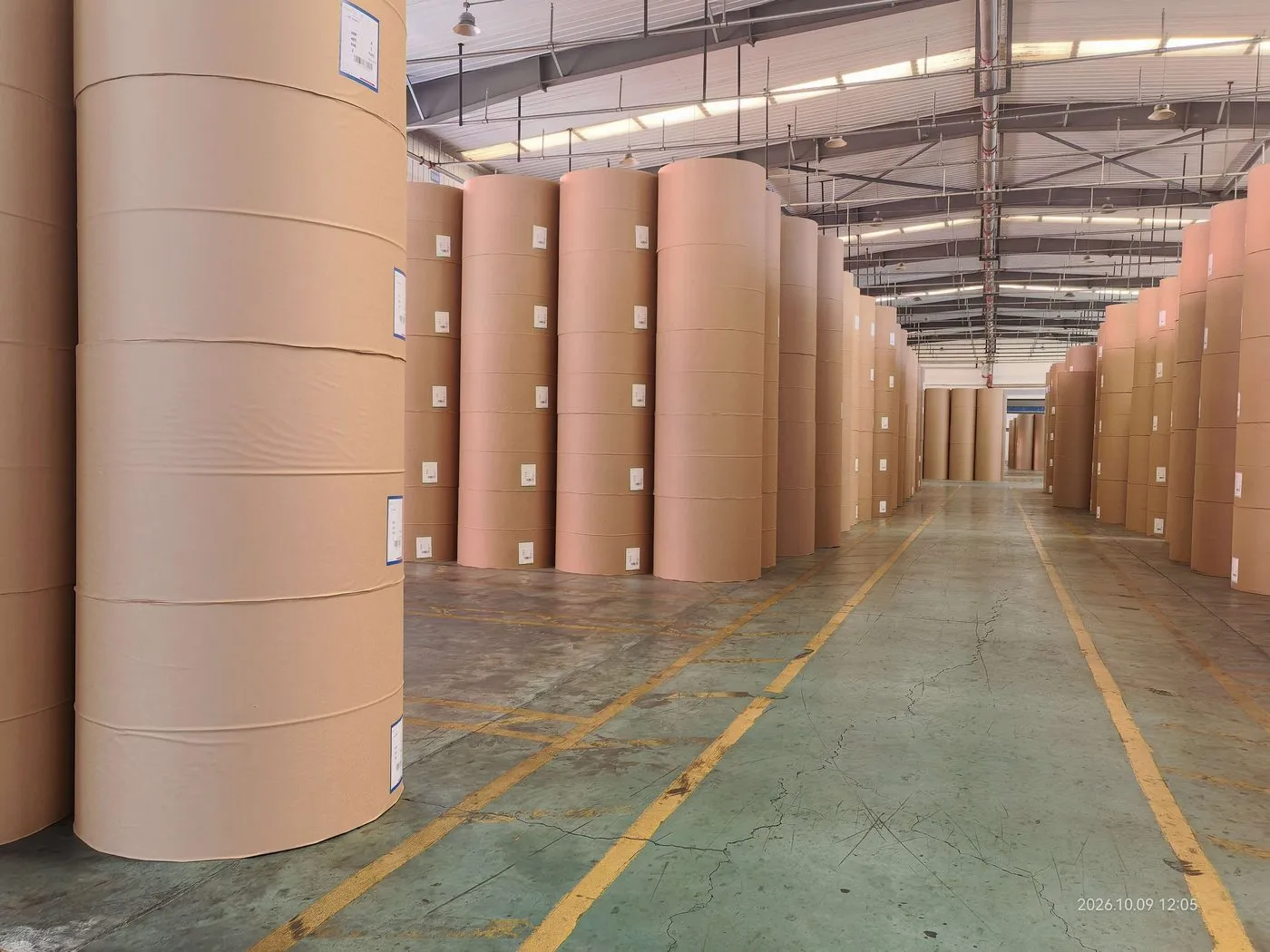
No single grade covers every application, which is why we maintain seven fiber families: bleached, natural, bamboo, pure softwood, softwood/hardwood blend, poplar/pine CMP and reed pulp. Customers do not need to change suppliers to launch a new product category, which lowers the complexity of managing their own supply chain.
Processing grade is the other dimension, and it directly sets how much freedom your line has:
- Unprocessed: native jumbo reels with several moisture options, ideal for plants with in-house fiberization — maximum process freedom and the best economy
- Semi-processed: partially defiberized and treated for uniformity, giving consistent pad appearance while saving hammermill energy
- Fully processed: pre-opened and softened, ready to run on high-speed lines that want plug-and-play consistency
Each grade maps to a different level of line maturity. Choosing the wrong one will not break anything immediately, but it quietly consumes energy and labour — which is why we discuss processing grade together with fiber family at the selection stage.
The opposite of stability is not variation — it is unexplained variation. With data, records and traceability, variation becomes a variable you can manage. Without them, variation is just luck.
Delivery and response
Localized supply brings more than freight savings: it brings lead-time certainty. Standard products ship on an agile schedule, and custom grades enter stable production once the process is confirmed. When something goes wrong, engineers respond the same day and get to the line quickly, rather than waiting for the next vessel.
For multi-product, small-batch lines this is worth more than unit price: inventory can be held lower, working capital is released, and new product trials are not held hostage by raw material arrival.
In one sentence: consistency is not a promise, it is a system of four checkpoints — raw material segregation, process windows, release testing and field support. Remove any one of them and batch variation will surface on somebody’s line.
About Hongbo Pulp
Shandong Hongbo Pulp & Paper Co., Ltd. focuses on fluff pulp across seven fiber families — bleached, natural, bamboo, pure softwood, softwood/hardwood blend, poplar/pine CMP and reed pulp — supplied in unprocessed, semi-processed and fully processed grades. A dedicated research team and field application engineers support more than 200 hygiene manufacturers from fiber selection and on-line trials through to volume supply.
Media & Sales Contact
Mr. Yang · Tel/WeChat +86 134 7575 9568 · yang@hongbopulp.com. For TDS, samples or on-line trial support, submit a request through the contact page — we reply within one business day.