
Application Areas
High-Bulk Cores
Premium diaper cores where thickness retention after packaging is a selling point
SAP Carrier Layers
Structural networks that hold and distribute superabsorbent particles
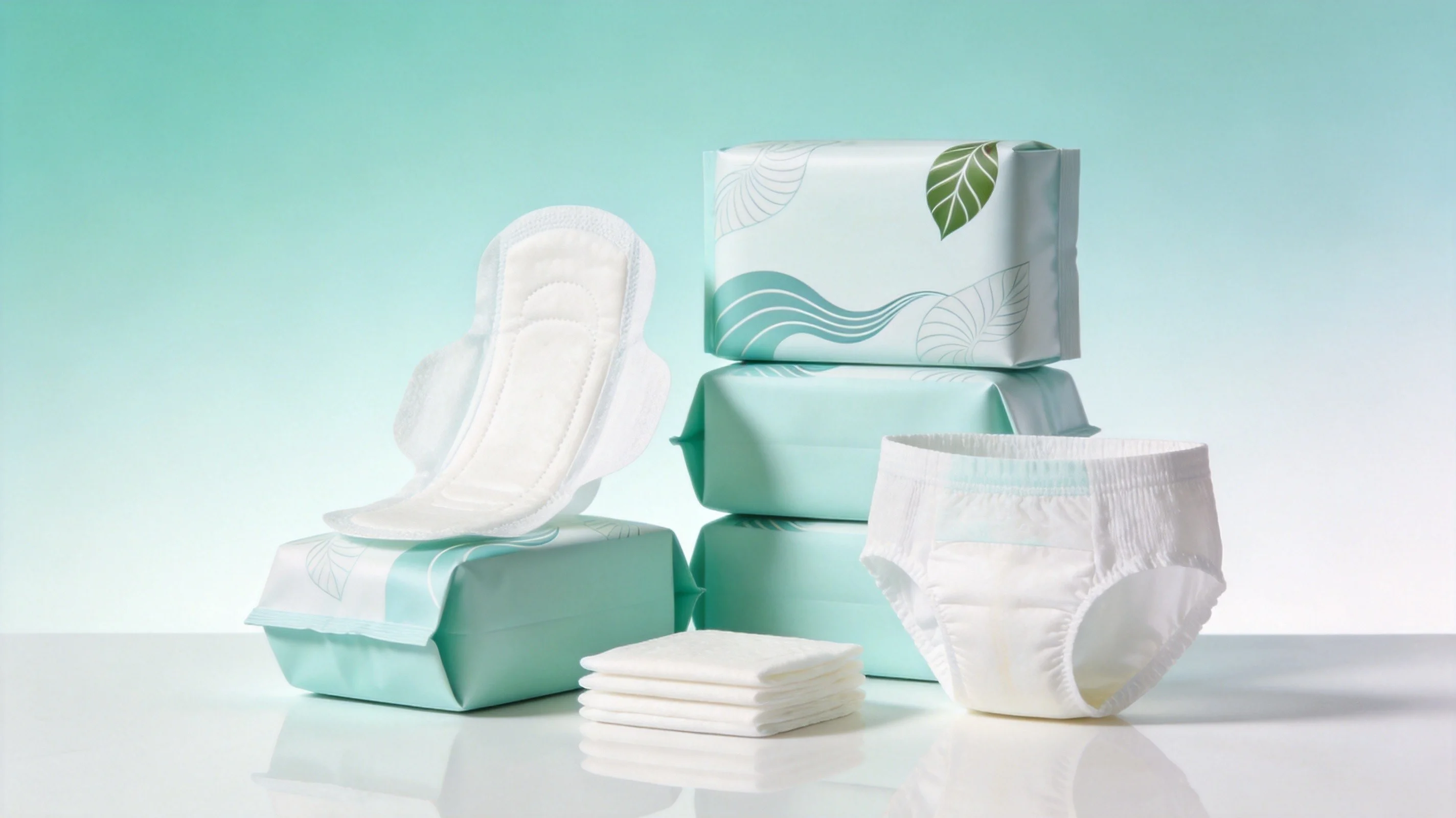
Adult Incontinence
Heavy-load products that must not collapse when wet
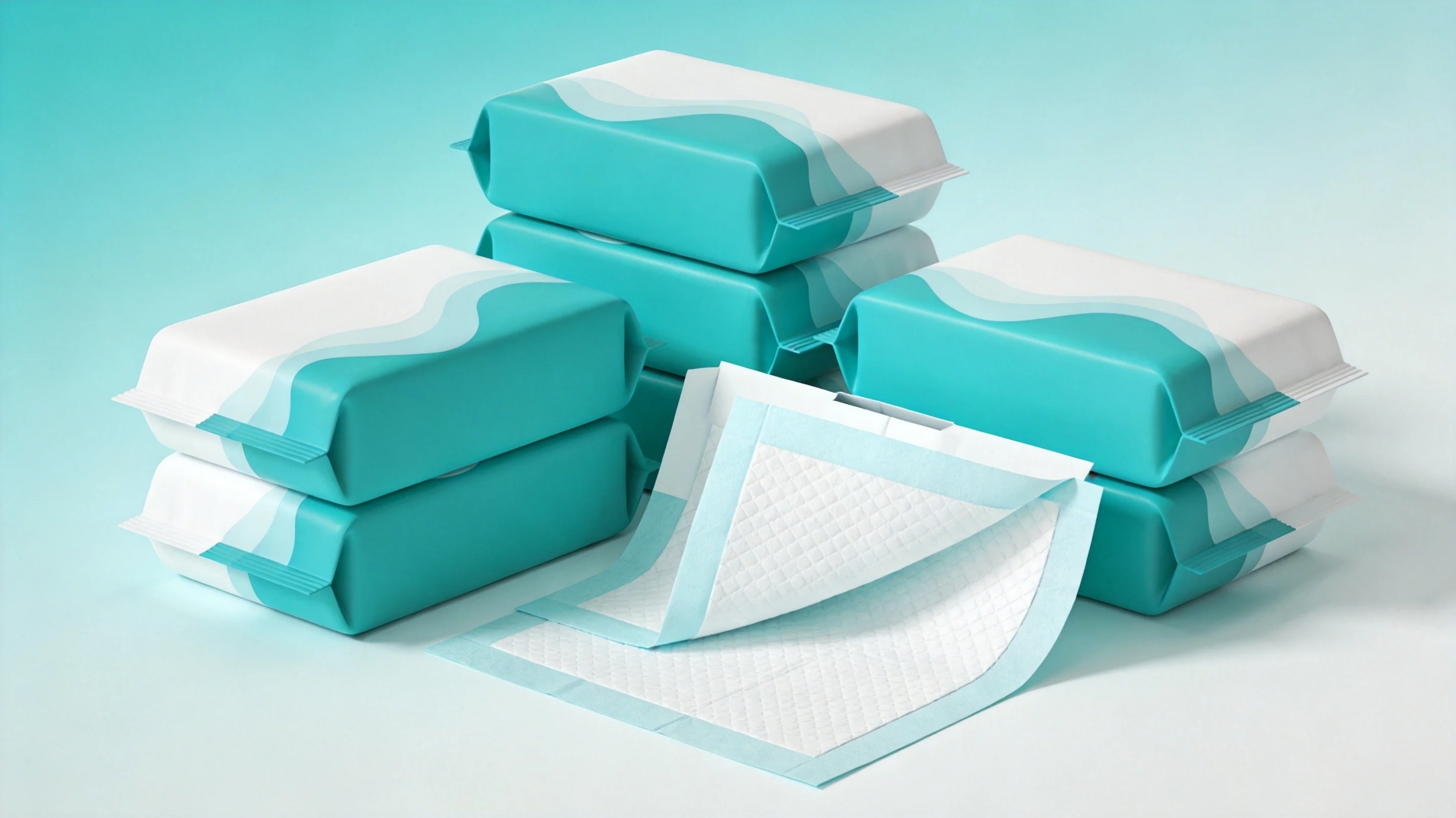
Medical Underpads
Absorbent structures requiring wet integrity and reliable wicking
Airlaid Composites
Long-fiber reinforcement in airlaid absorbent structures
Industrial Absorbents
High-capacity pads and rolls for spill control
Product Specifications
| Technical Point | Typical Specification | Buyer Benefit |
|---|---|---|
| Brightness | 85–89 ISO | Consistent white base for consumer products |
| Moisture | 7.0–9.0% | Controlled for stable defibration energy |
| Freeness (CSF) | 640–740 ml | High freeness reflecting long, intact fiber |
| Water Absorption | 9.5–11.5 g/g | High capacity driven by open network structure |
| Bulk | 16–20 cm³/g | Thicker, more resilient cores at equal weight |
| Fiber Length | 2.6–3.2 mm average | Long fiber for strength, bulk and wet integrity |
| Fines Content | Below 6% (200 mesh) | Low dust and fewer forming-wire blockages |
| Sheet Form | Jumbo reel or bale | Custom widths on request |
Typical ranges only. Batch-specific TDS is supplied with each shipment.
Detailed Product Description
What long fiber actually buys you
Three things: bulk that survives packaging, wet strength that survives use, and a network that holds SAP particles in place instead of letting them migrate. Mills that switch from a high-fines pulp to a long-fiber softwood grade usually see core thickness increase at the same basis weight, which allows a gram-for-gram reduction in fiber without losing performance.
Dust and forming behaviour
Fines content below 6% keeps dust low and forming wires cleaner. On lines running high throughput, this shows up as longer intervals between wire cleaning and fewer pinhole defects.
If your cores collapse after packaging, the first thing to check is fines content, not basis weight. A high-fines pulp compacts under pressure and never recovers.
Blending economics
Pure softwood is the highest-performing structural fiber and also the most expensive per tonne. Most volume products blend it with hardwood, CMP or bamboo at 40–70% to hit a cost target while keeping bulk within specification. We can supply blend recommendations based on your target thickness and absorption values.